3D printing service for Seattle projects
PrintAWorld provides project-based 3d printing for customers in Seattle, Washington. Projects are reviewed remotely, produced through PrintAWorld's New York studios, and shipped with nationwide U.S. delivery; this page does not represent a Seattle storefront or same-day pickup. Send a 3D file or sketch, dimensions, quantity, intended use, material and finish preferences, delivery ZIP code, and deadline. The written quote confirms file preparation, production method, finishing, price, minimum, and schedule.
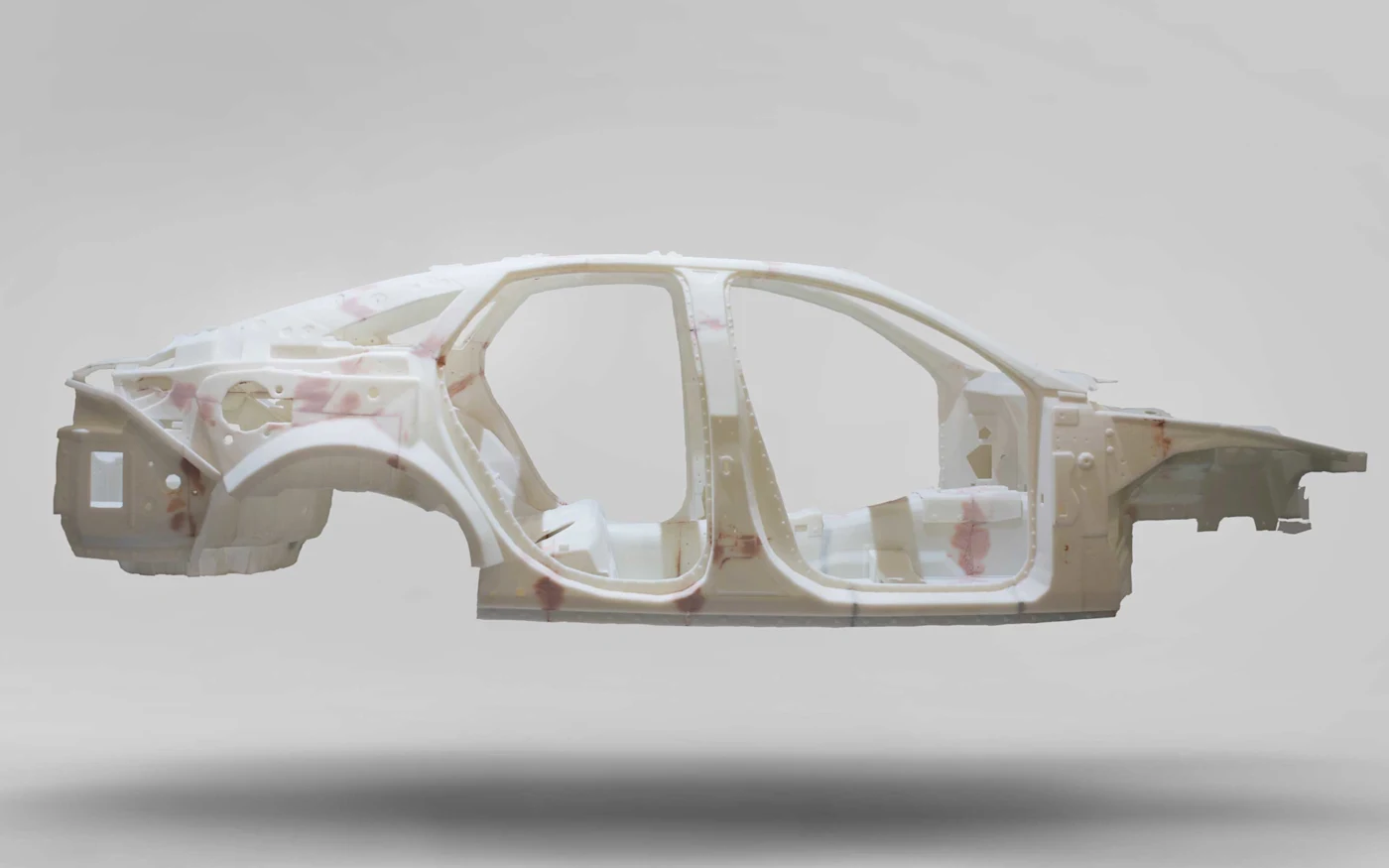
How does a Seattle project move from file review to a finished part?
PrintAWorld turns a ready 3D file or an early sketch into a finished part delivered to Seattle. The service can include remote file review, 3D modeling, industrial printing, cleaning, polishing, painting, assembly, and specialty finishing. Your approved quote confirms the delivery address and schedule. PrintAWorld does not operate a Seattle walk-in counter or promise same-day local pickup.
This service is for projects that need process selection and finishing, not just access to a printer. A local shop may be better for a same-day hobby print. PrintAWorld is a stronger fit for presentation prototypes, complex functional geometry, large models, short runs, and pieces that require sanding, paint, assembly, or a specialty surface.
How does the environment affect Seattle aerospace and maritime work?
Greater Seattle Partners reports more than 900 aerospace companies, about 113,500 aerospace employees, a $38.2 billion aerospace gross regional product in 2025, and $78.5 billion in exports over the prior five years. That concentration makes mockups, assembly aids, airflow or routing models, ergonomic prototypes, and non-flight tooling reasonable local applications.
Seattle's maritime economy creates a different set of questions. The Port of Seattle cites a 2025 study attributing 52,105 supported jobs and $14 billion in business output to the Seattle-Tacoma cargo gateway. Marine and port projects can involve guards, patterns, replacement-part models, sensor housings, and custom tools, but a printed polymer is not automatically suitable for salt water, UV, fuel, cleaning chemicals, heat, or sustained mechanical load. Those conditions must be stated before material selection.
Which Seattle project types can PrintAWorld evaluate?
These examples separate visual, fit-check, tooling, and end-use intent because each leads to a different material and review path.
- 01
Can a project include aerospace development models?
Build fit-check models, routing mockups, ergonomic studies, housings, ducts, and assembly concepts. State whether the part is non-flight, test equipment, tooling, or intended for a controlled application requiring documentation.
- 02
Can a project include jigs, fixtures, and shop aids?
Produce positioning tools, drill guides, inspection nests, templates, soft jaws, and protective fixtures. Share clamp loads, repetition count, contact surfaces, and temperature.
- 03
Can a project include maritime equipment prototypes?
Evaluate guards, bezels, instrument housings, patterns, and replacement geometry. Identify water exposure, UV, corrosion environment, cleaning agents, fuel contact, vibration, and safety consequence.
- 04
Can a project include technology-product enclosures?
Test board clearances, connectors, vents, controls, mounting points, and human interaction before tooling. Include component CAD or a measured keep-out envelope whenever possible.
- 05
Can a project include architectural and development models?
Create massing models, facade studies, removable floor plates, site context, and detailed presentation elements. Define scale, level of detail, colors, lighting, and transport requirements.
- 06
Can a project include experiential displays and public-facing objects?
Fabricate props, dimensional graphics, replicas, exhibits, and launch pieces. Viewing distance, touch frequency, installation method, fire requirements, and repair access all affect the build.
How is material selected for what a part must survive?
PrintAWorld uses surface, flexibility, clarity, and handling requirements to narrow the useful production path for a Seattle project.
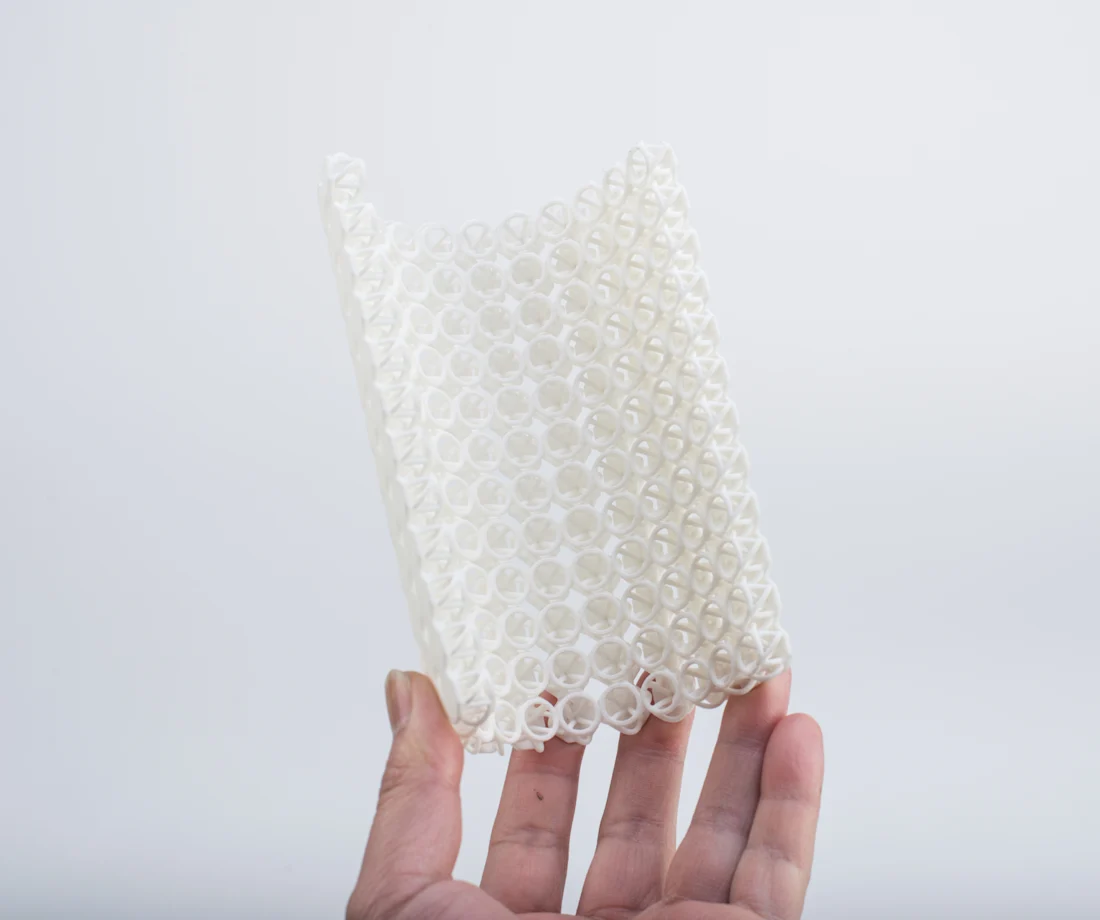
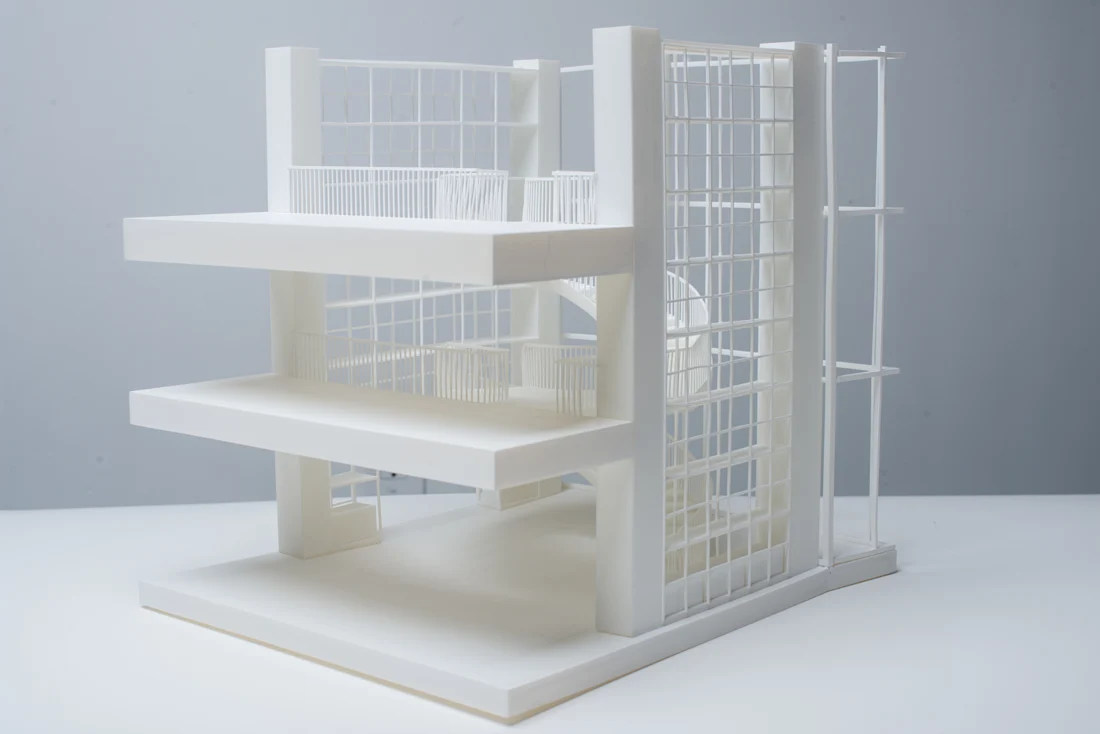
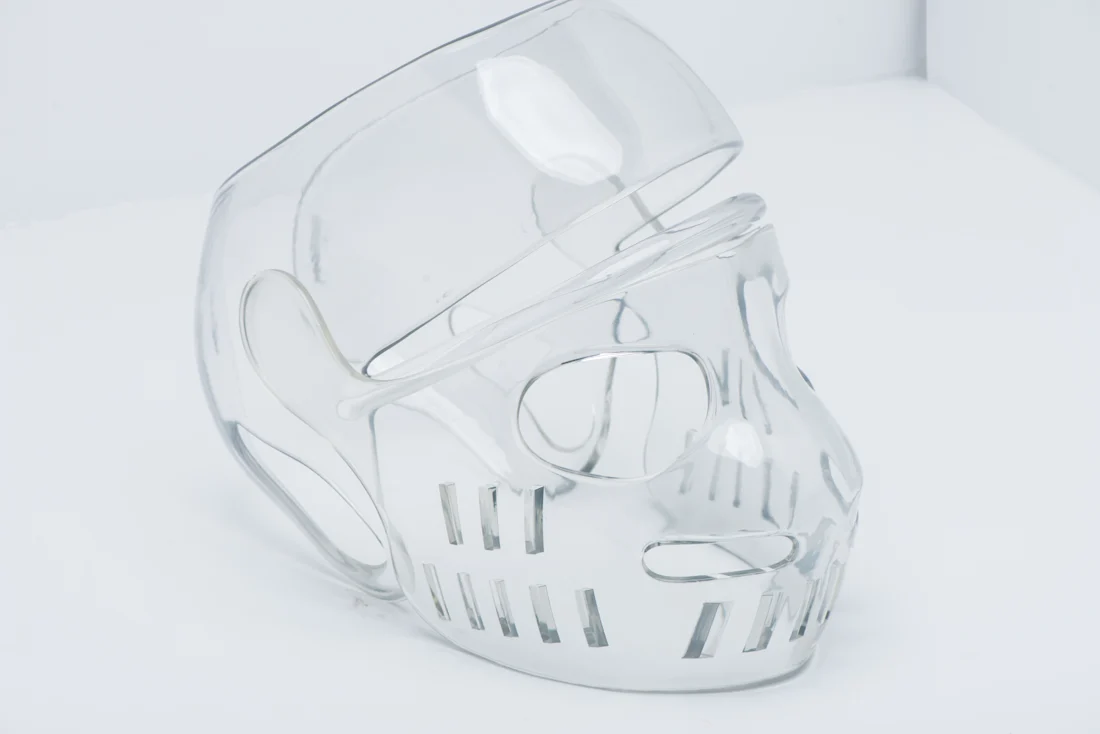
Which material and process questions apply to Seattle conditions?
Start with the environment and risk of failure, then select the production method.
| Requirement | Possible starting point | Required project detail |
|---|---|---|
| Quick geometry or fit iteration | FDM thermoplastic | Layer direction, wall thickness, tolerance, load, and temperature |
| Smooth, detailed visual prototype | SLA resin | Handling, brittleness, UV exposure, paint, and expected lifetime |
| Durable complex polymer geometry | SLS nylon | Clearance, surface texture, moisture, fatigue, and test plan |
| Outdoor or marine-adjacent use | Material review before process selection | Water, salt, UV, fuel, chemicals, heat, vibration, and safety consequence |
| Large model or display | Sectioned printing with assembly and finish | Seams, structure, crating, installation, and on-site access |
| Regulated or safety-critical use | Documented engineering and qualification path | Specification, traceability, inspection, certification, and approval authority |
Why is a prototype not automatically a certified production part?
Aerospace, maritime, medical, and industrial buyers often use the phrase production-grade, but it does not define an alloy, polymer, process control, inspection plan, or certification. A visually successful print may still be wrong for fatigue, flame, toxicity, temperature, electrical, pressure, or structural requirements.
Tell us whether the part is a visual model, a fit-check object, a manufacturing aid, test equipment, or an end-use component. If failure could injure someone, damage equipment, affect flight, contaminate a process, or interrupt operations, identify the governing specification and approval path before ordering.
How should you prepare the file and Seattle delivery brief?
Send STL or OBJ mesh files for print-ready geometry, or STEP, STP, and 3DM files when dimensional review or design revision may be needed. Include overall dimensions, quantity, preferred material, surface finish, critical tolerances, and the date the package must arrive in Seattle.
For assemblies, provide a simple drawing or annotated screenshot showing mating parts, fasteners, moving clearances, and which surfaces are visible. For large objects, include doorway, elevator, crate, and installation constraints instead of treating shipping as an afterthought.
- Mark the dimensions that control fit and explain how they will be measured.
- Describe rain, salt, UV, temperature, chemical, and vibration exposure.
- Separate cosmetic faces from hidden or support-contact surfaces.
- Provide the Seattle in-hand date and whether weekend delivery is acceptable.
- State any documentation, inspection, traceability, or confidentiality requirements.
Which local evidence and service sources support this page?
Regional statistics describe Seattle's commercial context; they are not endorsements of PrintAWorld. Capabilities, materials, timing, and shipping remain project-specific.
What do customers ask about Seattle 3D printing?
Is PrintAWorld physically located in Seattle?
No. Seattle projects are reviewed remotely, produced through PrintAWorld's fabrication operation, and shipped to the approved delivery address. There is no Seattle walk-in counter or same-day pickup claim.
Can you 3D print aerospace parts for Seattle companies?
PrintAWorld can evaluate prototypes, fit-check models, tooling, fixtures, housings, and other applications. Flight or safety-critical use requires the customer to provide material, process, inspection, traceability, and certification requirements before suitability can be determined.
Which 3D printing material is best for marine use?
There is no universal marine material. Salt water, UV, fuel, cleaning chemicals, temperature, vibration, load, and service life must be considered together. A prototype material should not be assumed suitable for an end-use marine component.
How fast can you ship a completed print to Seattle?
Production timing depends on file preparation, process, quantity, finishing, approval stages, and carrier transit. Provide the Seattle in-hand deadline; the written quote confirms the production and delivery schedule.
Can you finish and paint a Seattle presentation model?
Yes. Sanding, polishing, painting, assembly, and specialty finishes can be included when appropriate. Share color references, gloss level, viewing distance, handling, and installation conditions.
Which related production services support Seattle projects?
What must your Seattle part survive?
Send the file or sketch, application, dimensions, quantity, environment, finish, and the date the completed part must arrive in Seattle.