3D printing service for Austin projects
PrintAWorld provides project-based 3d printing for customers in Austin, Texas. Projects are reviewed remotely, produced through PrintAWorld's New York studios, and shipped with nationwide U.S. delivery; this page does not represent a Austin storefront or same-day pickup. Send a 3D file or sketch, dimensions, quantity, intended use, material and finish preferences, delivery ZIP code, and deadline. The written quote confirms file preparation, production method, finishing, price, minimum, and schedule.
What can you make?
Start with the job the part needs to do. PrintAWorld can recommend the print process, material, and finish from there.
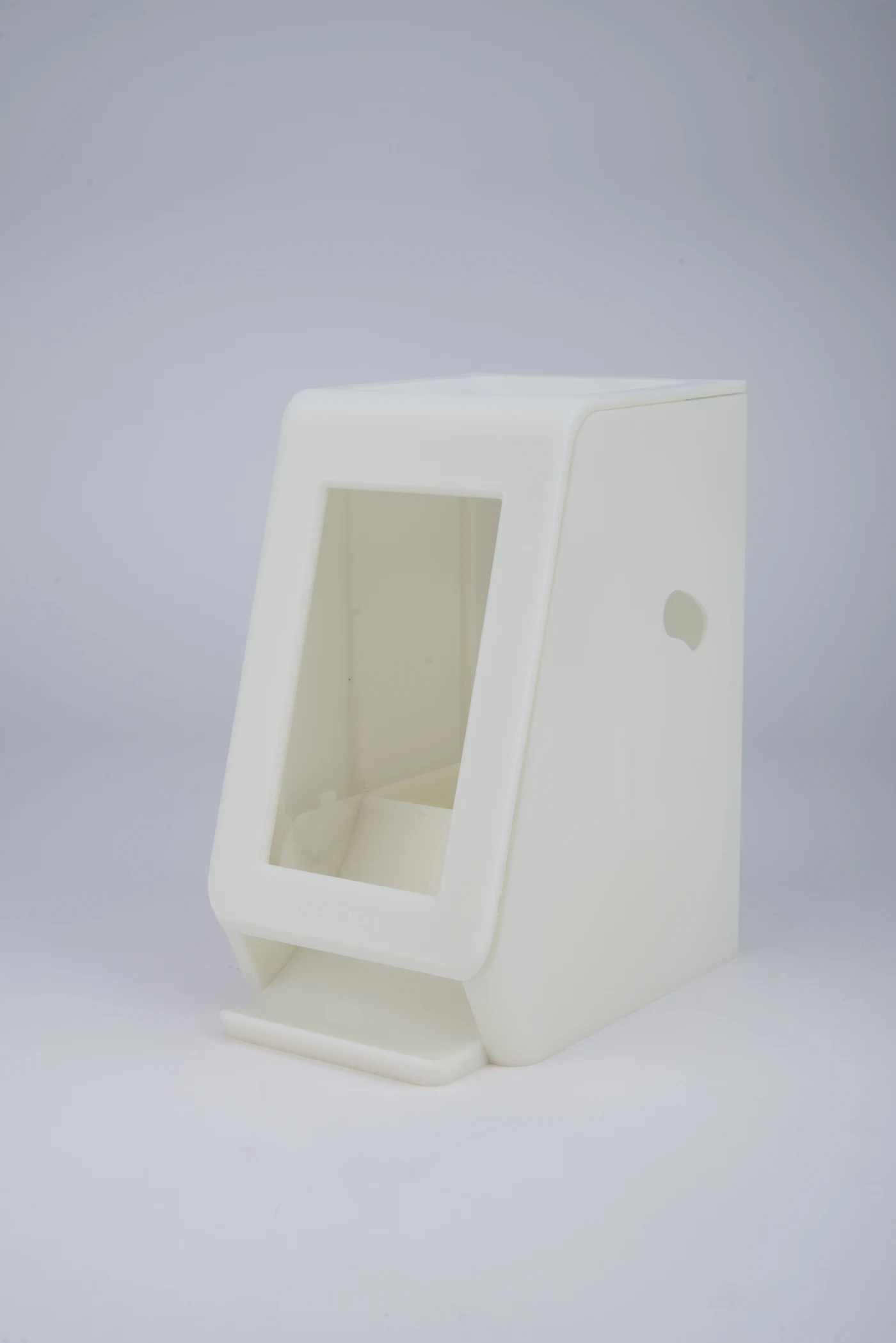
Can a project include enclosures and fit-check prototypes?
Test board clearances, connectors, fasteners, cable paths, and handling before committing to tooling or a production design.
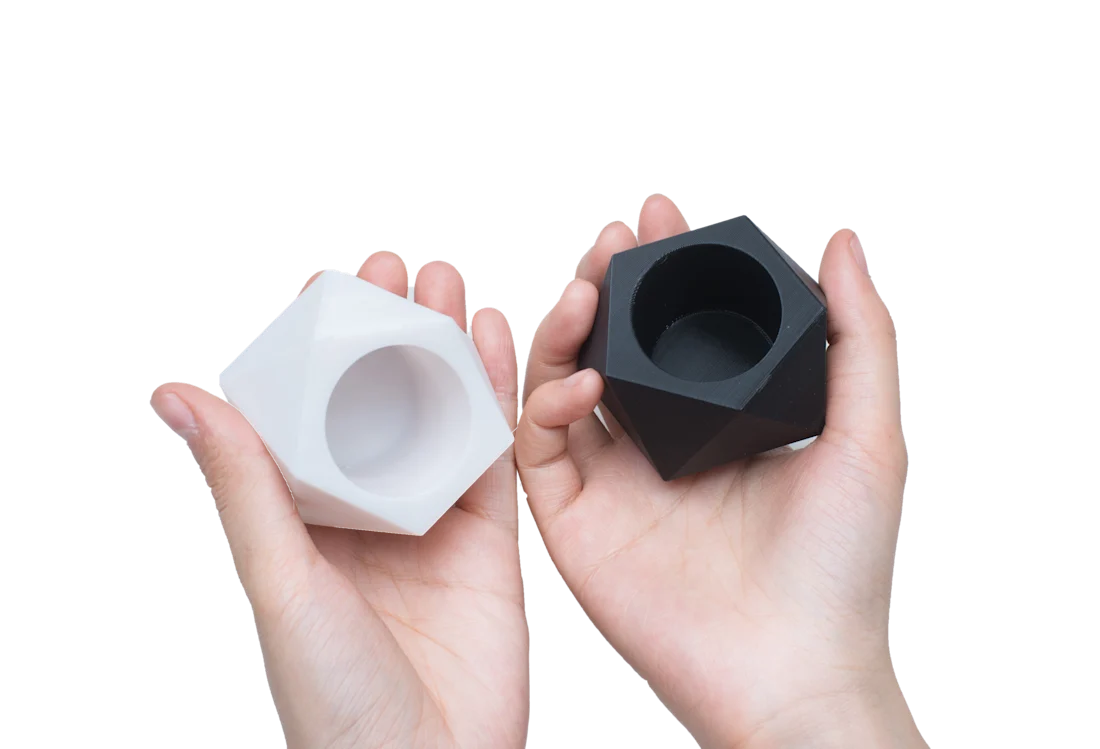
Can a project include jigs, fixtures, and shop tools?
Produce positioning tools, drill guides, inspection fixtures, soft jaws, and assembly aids without waiting for hard tooling.
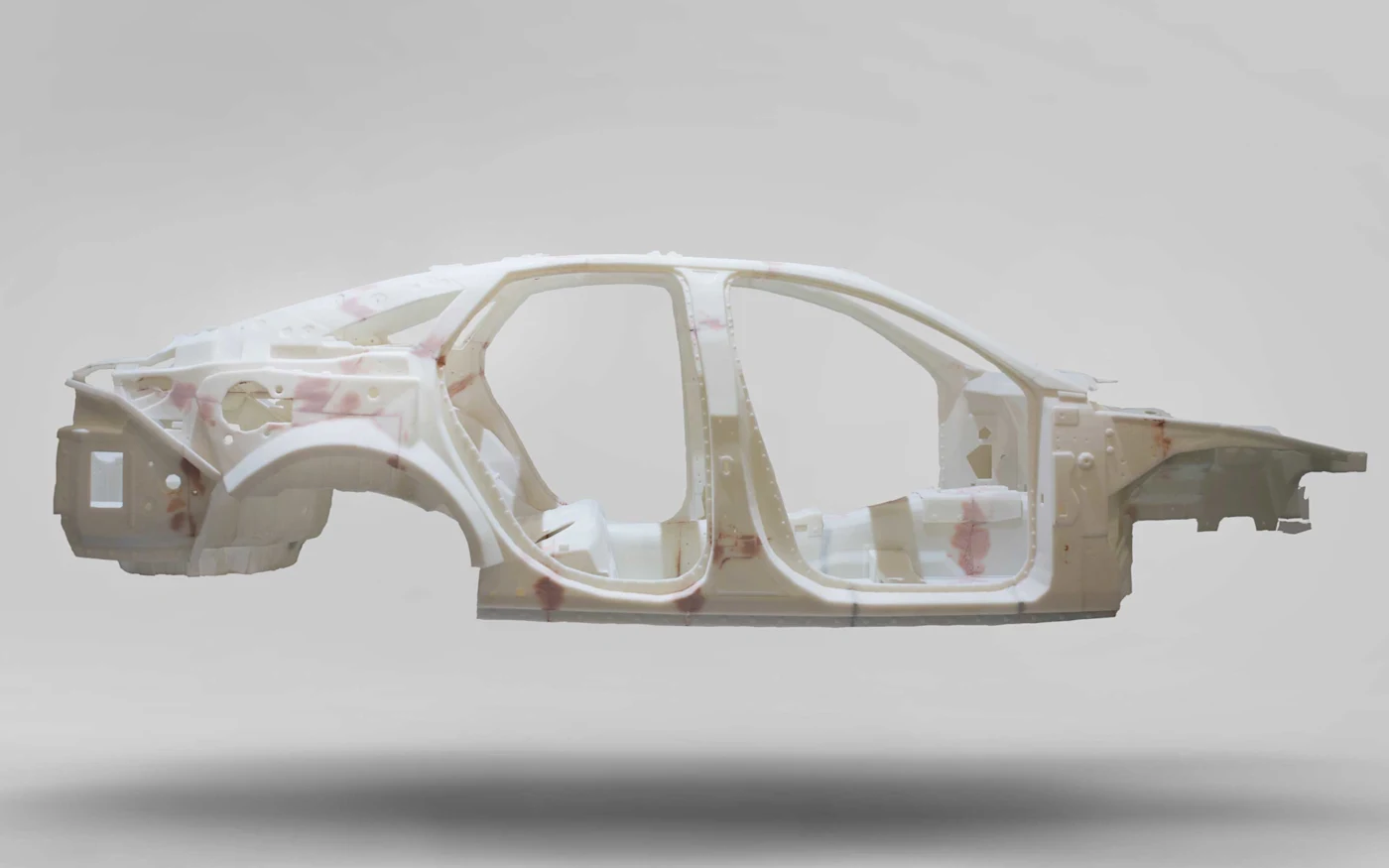
Can a project include pitch and event models?
Put a physical product in the room for an investor demo, SXSW activation, sales presentation, or launch display.
Can a project include architectural models?
Turn CAD or BIM-derived geometry into massing studies, removable sections, detailed components, and presentation-ready models.
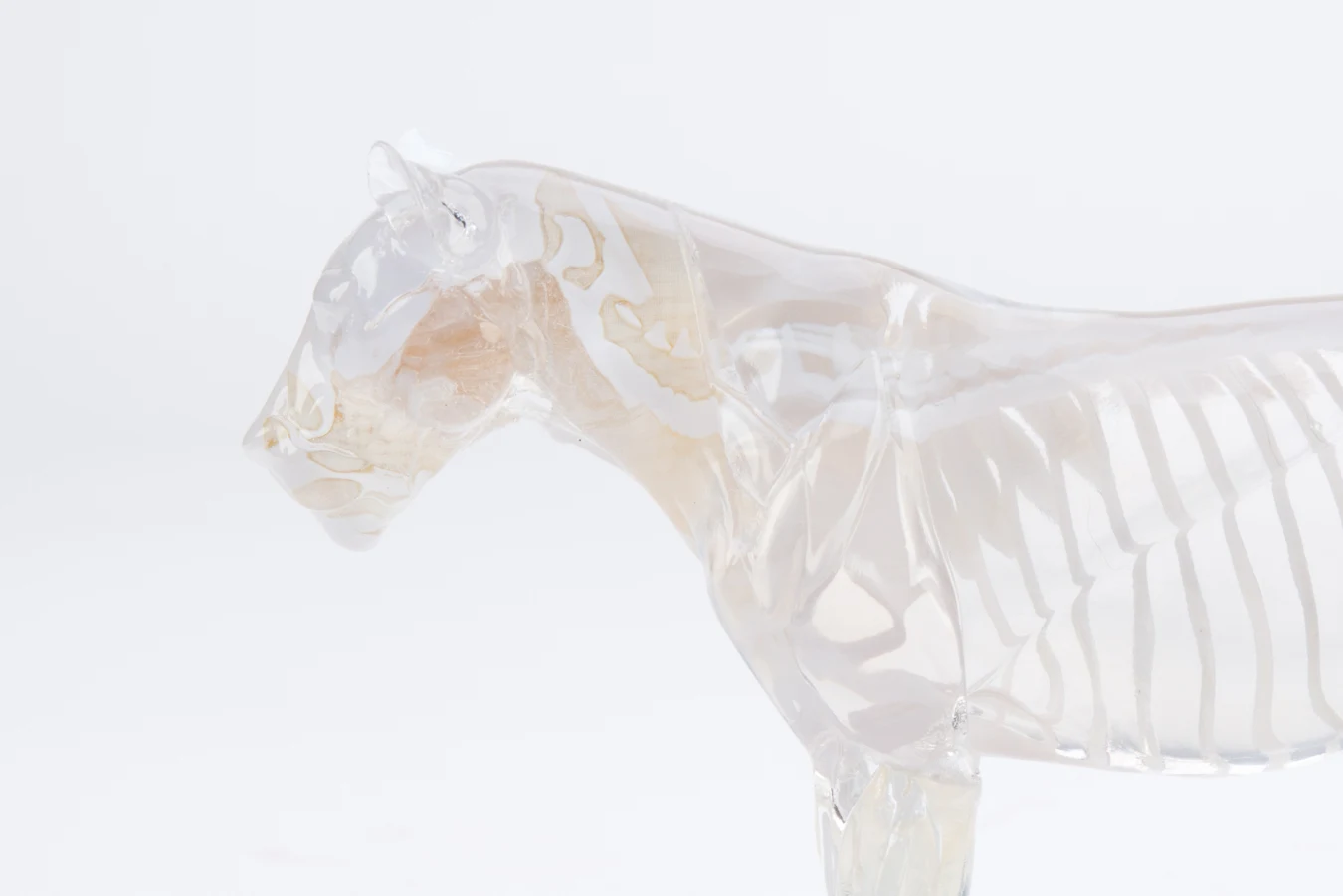
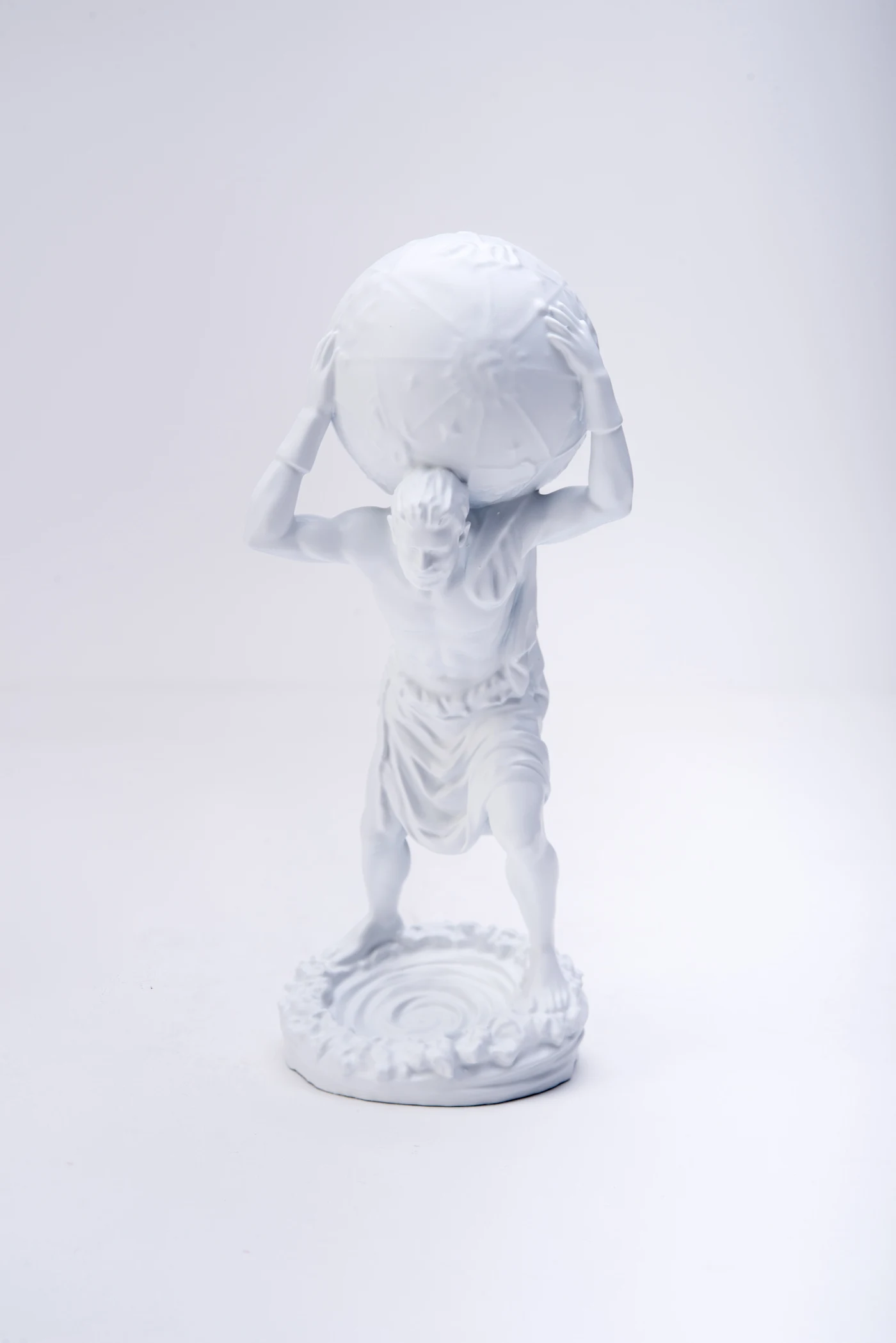
Can a project include art, props, and branded objects?
Build sculptural forms, replicas, dimensional graphics, and campaign pieces with painting, assembly, or metal-look finishing.
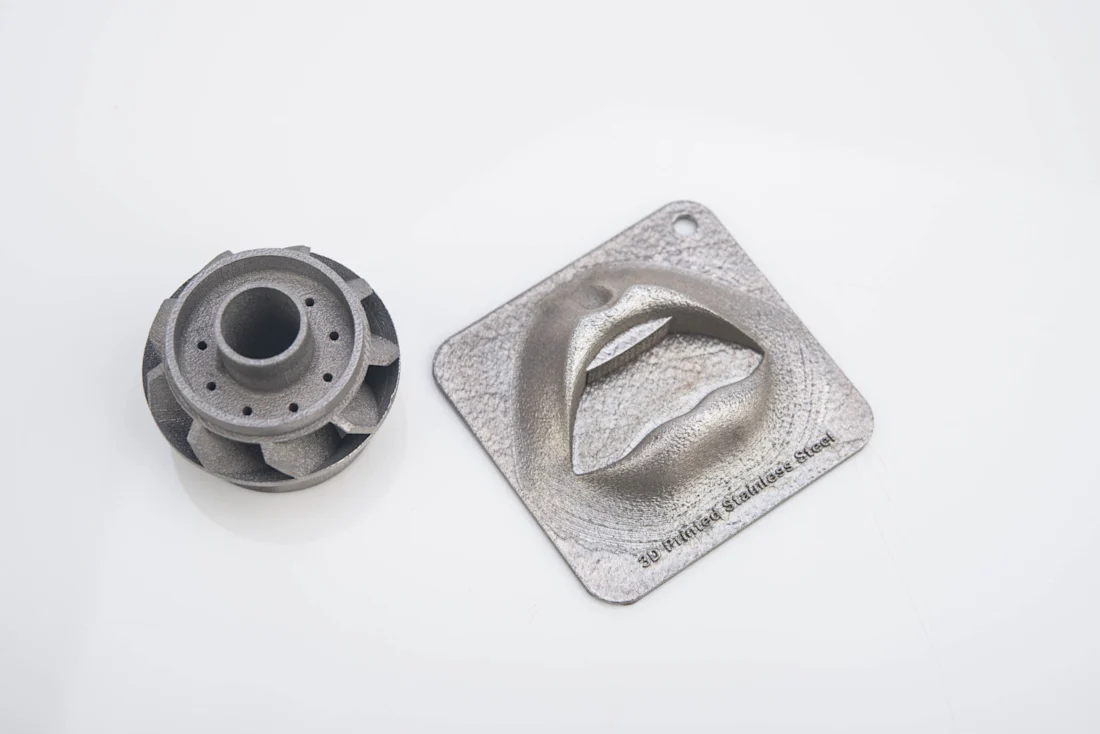
Can a project include short-run custom parts?
Make low-volume or customized parts when geometry and quantity do not justify a mold. Higher quantities should be compared with molding or machining.
How does an Austin project move through PrintAWorld?
You do not need to arrive with every manufacturing decision made. Give us the goal, the constraints, and the deadline.
What file or reference should you send?
Upload STL, OBJ, STEP, STP, or 3DM files. A sketch, photograph, scan, or broken reference part can also start the conversation.
You provide: geometry or a clear referenceWhat must the part do?
Tell us whether it is for fit, presentation, testing, tooling, or end use. Include loads, heat, water, chemicals, sunlight, and handling.
You provide: use, quantity, size, and constraintsHow is the production plan reviewed?
PrintAWorld reviews the geometry and recommends a process, material, finish, schedule, and any modeling or file repair needed.
You confirm: scope, cost, and delivery dateHow are printing, finishing, and inspection scoped?
The approved part is produced, cleaned, and finished. Depending on the project, that can include sanding, painting, assembly, or plating.
We handle: coordinated productionHow is the completed project shipped?
Finished parts are packed for the geometry and sent to the confirmed Austin delivery address. Transit time is included in the schedule discussion.
You receive: a finished, project-ready part
How are the process and finish selected?
The best process is the one that supports the decision or job your part must handle. These are practical starting points.
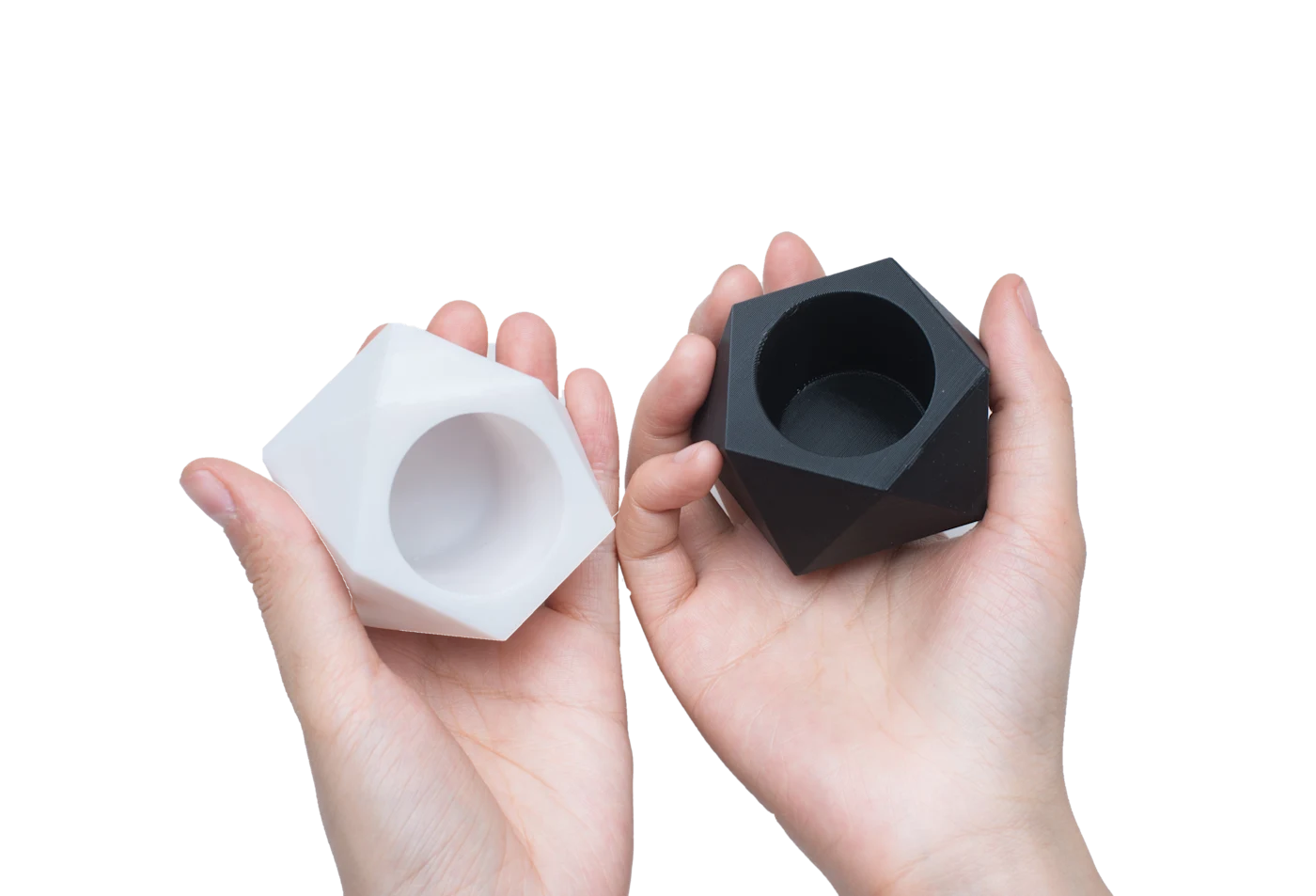
When can FDM thermoplastics fit?
- Best for
- Fast form-and-fit studies, housings, fixtures, larger prototypes, and durable parts where visible layer texture is acceptable.
- Confirm before printing
- Layer direction, wall thickness, heat, sustained load, dimensional priorities, and whether the surface will be finished or painted.
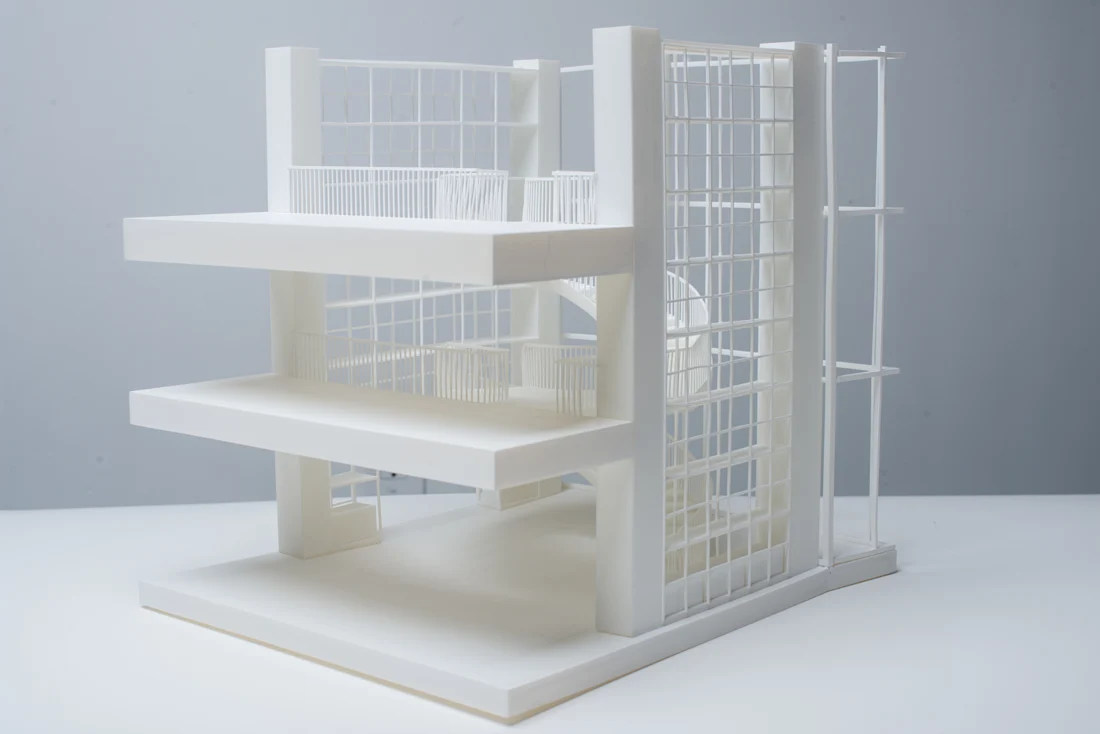
When can SLA and industrial resin fit?
- Best for
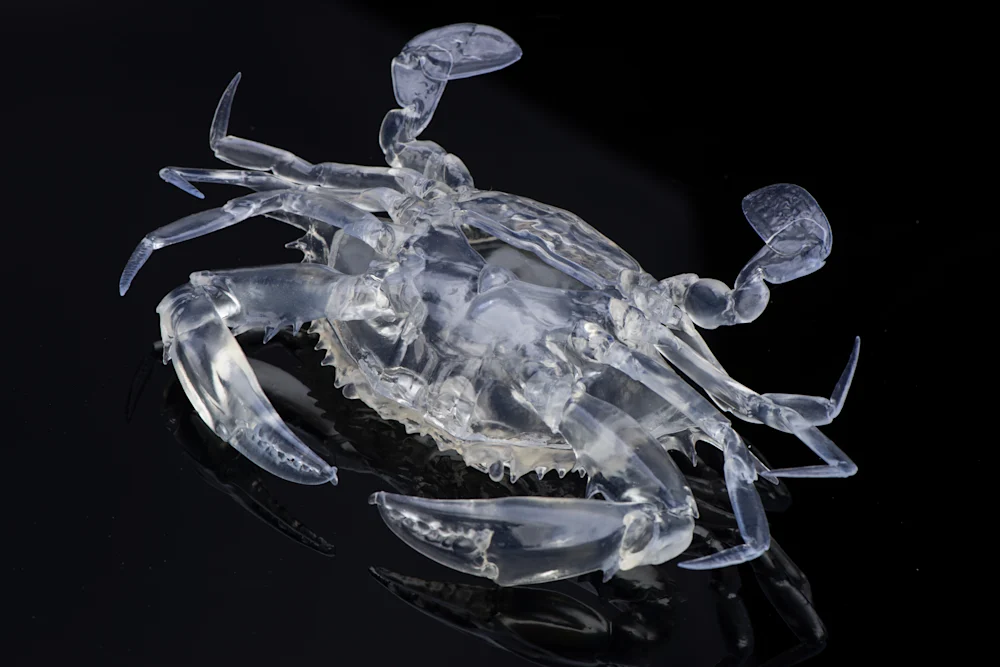
- Fine features, smooth presentation surfaces, small detailed models, master patterns, and parts that need a polished visual finish.
- Confirm before printing
- Impact and UV exposure, thin fragile features, support marks, handling, paint, and whether clear or specialty resin is needed.
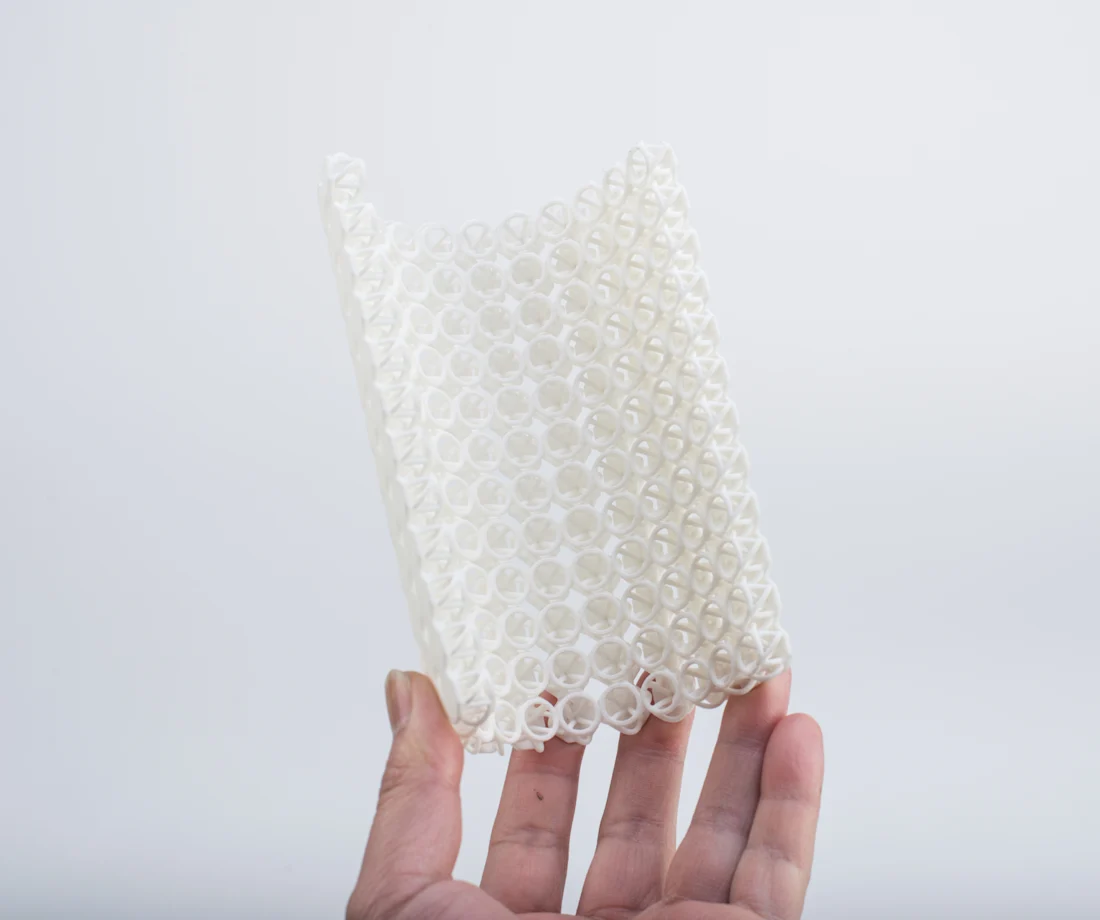
When can SLS nylon PA12 fit?
- Best for
- Complex functional polymer geometry, clips, live hinges, nested parts, and durable prototypes that do not need support structures.
- Confirm before printing
- Clearances, powdery surface texture, dye or coating, flex, wall thickness, and how the part will be functionally tested.
When can large-format fabrication fit?
- Best for
- Props, sculptures, signs, architectural elements, display pieces, and models that must be printed in sections and assembled.
- Confirm before printing
- Section lines, internal structure, transport, installation, viewing distance, touch points, and the final paint or coating system.
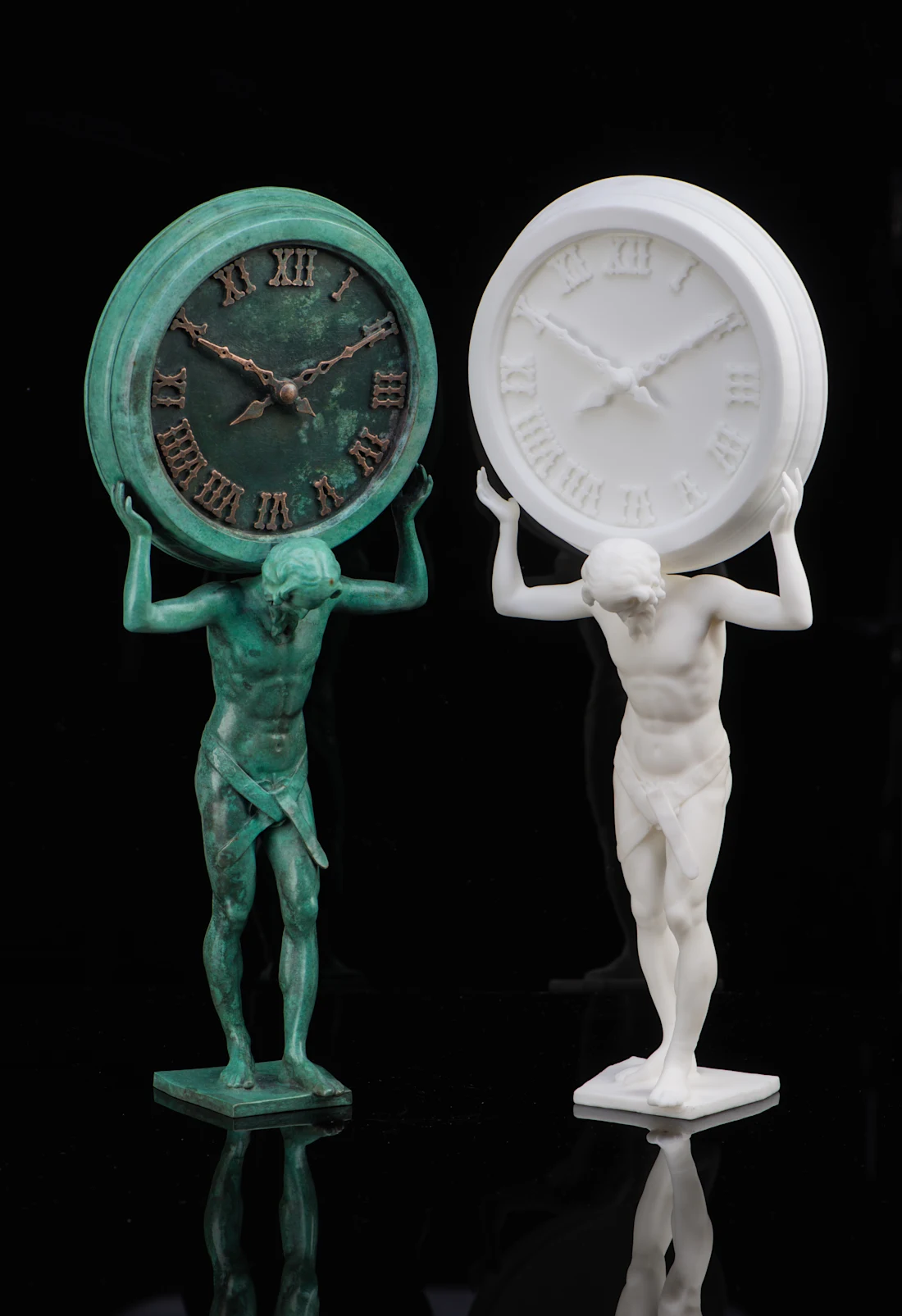
When can painting, plating, and assembly fit?
- Best for
- Presentation pieces, brand objects, art, props, and models that must look complete rather than freshly removed from a printer.
- Confirm before printing
- Cosmetic versus true metal performance, color and sheen, seam visibility, touch wear, masking, final assembly, and shipping protection.
How can surface, scale, and detail be inspected?
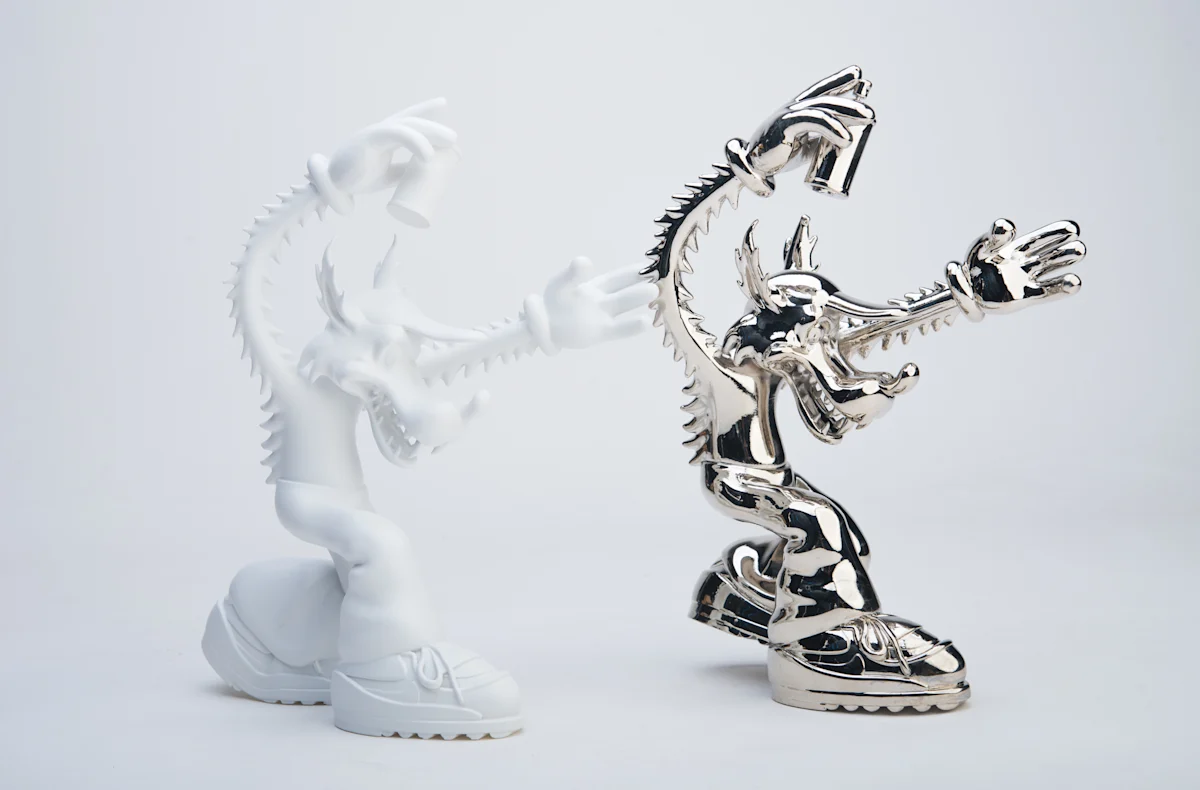
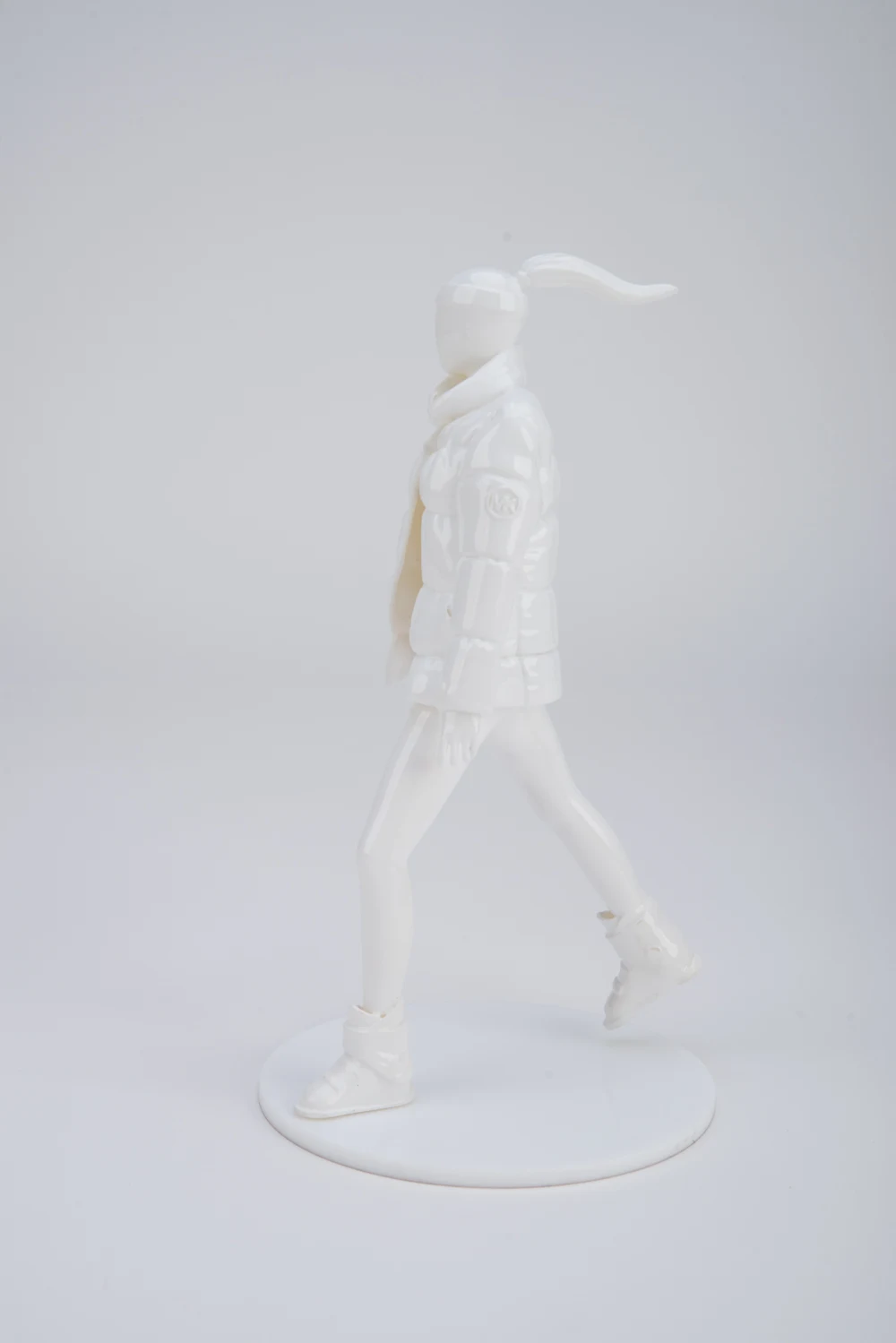
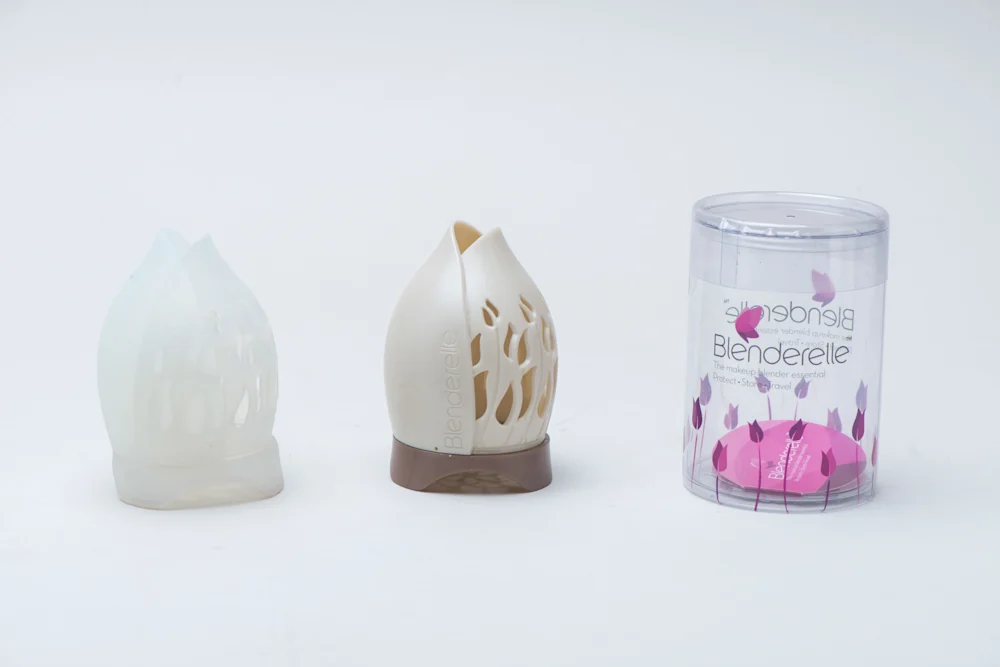
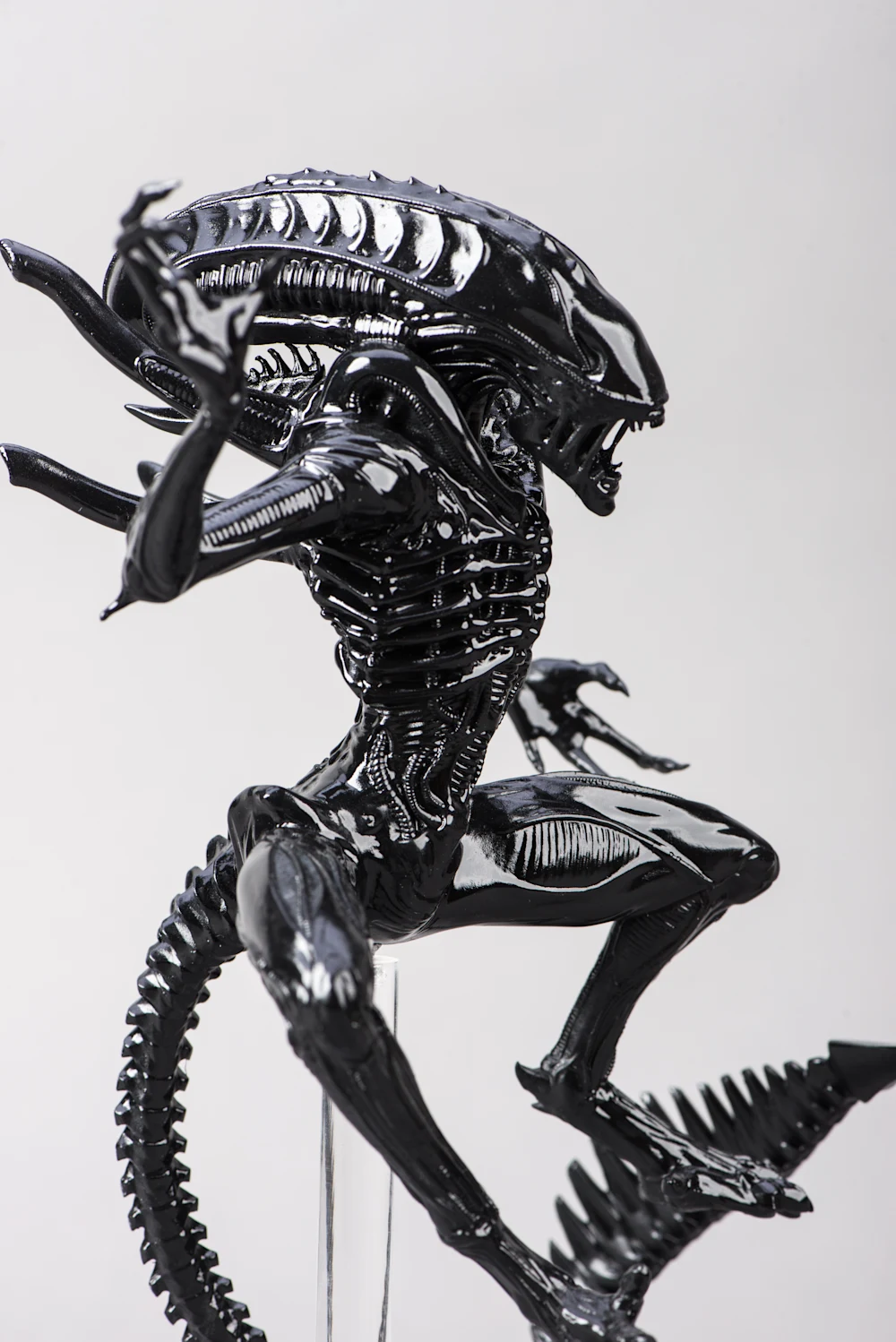
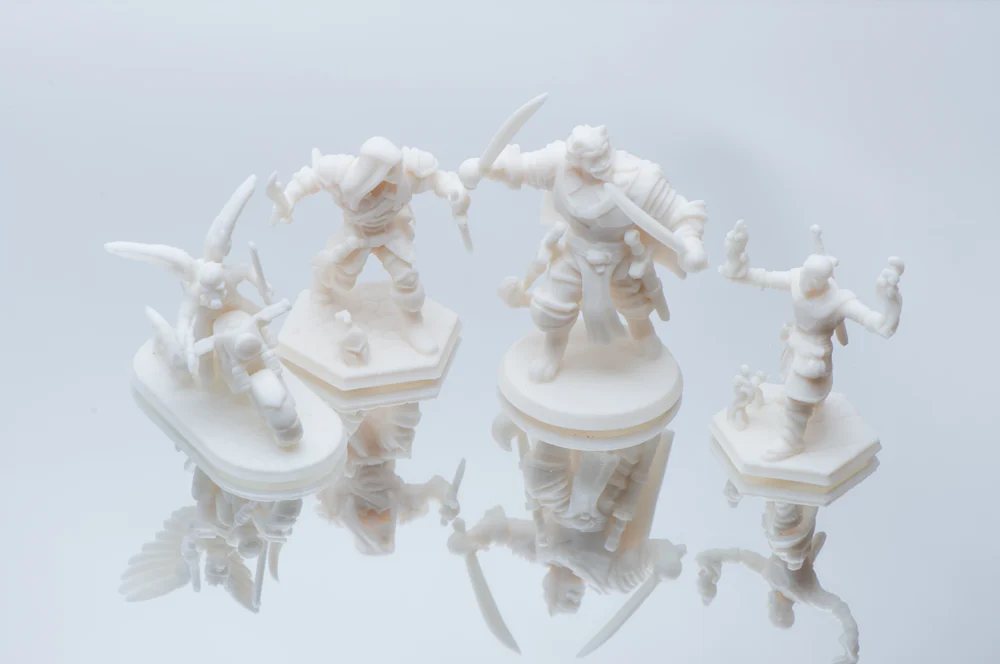
Real PrintAWorld projects show the difference between raw geometry and a finished object ready for presentation, testing, or display.
Which decisions can Austin prototypes help evaluate?
Austin has a direct connection to industrial additive manufacturing. The University of Texas at Austin says selective laser sintering was developed there in the 1980s, and its Solid Freeform Fabrication Symposium now attracts more than 600 researchers each year.
An Austin Chamber analysis counted 208 computer and electronic product manufacturing firms and 28,081 jobs in that segment in 2020. A City of Austin market analysis separately reports 38,459 manufacturing jobs and 117,612 professional, scientific, and technical-services jobs. Those figures do not predict demand for any individual project, but they help explain why enclosure prototypes, test fixtures, fit-check parts, sales models, and design iterations are practical needs in the region.
What should you send for an actionable Austin quote?
A quote is more useful when it includes the decision criteria. Send the 3D file if available, overall dimensions, quantity, target date in Austin, material or performance requirements, finish expectations, and photographs or drawings that explain the application.
STL and OBJ files describe printable mesh geometry; STEP, STP, and 3DM files are often more useful when design changes or dimensional review may be required. If you only have a sketch, reference object, or broken part, explain what must be recreated and whether 3D modeling or scanning is part of the request.
- State whether the part is a visual model, fit-check prototype, working tool, or end-use component.
- Identify heat, sunlight, water, chemicals, impact, flex, and sustained load.
- Mark critical dimensions and mating components instead of assigning tight tolerances everywhere.
- Separate the in-hand deadline from the production deadline so shipping time is visible.
- Request a production-process comparison if quantities may grow substantially.
Which local evidence and service sources support this page?
Local market figures are included to explain Austin-specific project contexts, not to imply that the organizations below endorse PrintAWorld. Production capabilities and timing must be confirmed in the project quote.
What do customers ask about Austin 3D printing?
Does PrintAWorld have a 3D printing shop in Austin?
No. PrintAWorld reviews Austin projects remotely, produces them through its fabrication operation, and ships approved orders to Austin. This page describes a market served, not a physical Austin storefront.
How quickly can a 3D printed part reach Austin?
Production timing depends on file preparation, size, geometry, quantity, material, finishing, approval stages, and carrier transit. Share the Austin delivery deadline; the written quote confirms the production and delivery schedule.
Can you help if my Austin team only has a CAD concept or sketch?
Yes. Send the available CAD, drawings, sketches, photographs, and performance requirements. The quote can identify whether file repair, 3D modeling, scanning, or design-for-manufacturing work is needed before printing.
Can you produce manufacturing-grade parts for Austin hardware projects?
PrintAWorld can review functional polymers and metal options, but manufacturing-grade is not a single specification. State the load, temperature, environment, tolerance, inspection, and certification requirements so the process can be evaluated honestly.
Is 3D printing economical for a production run?
It can be for complex, customized, or lower-volume parts because it avoids hard tooling. As quantity rises, compare the total cost and requirements against molding, machining, or another production method.
Which related services can support the next step?
What does your Austin project need to prove?
Send the file or sketch, intended use, dimensions, quantity, material needs, finish, and the date the completed part must arrive in Austin.