3D printing service for Philadelphia projects
PrintAWorld provides project-based 3d printing for customers in Philadelphia, Pennsylvania. Projects are reviewed remotely, produced through PrintAWorld's New York studios, and shipped with nationwide U.S. delivery; this page does not represent a Philadelphia storefront or same-day pickup. Send a 3D file or sketch, dimensions, quantity, intended use, material and finish preferences, delivery ZIP code, and deadline. The written quote confirms file preparation, production method, finishing, price, minimum, and schedule.
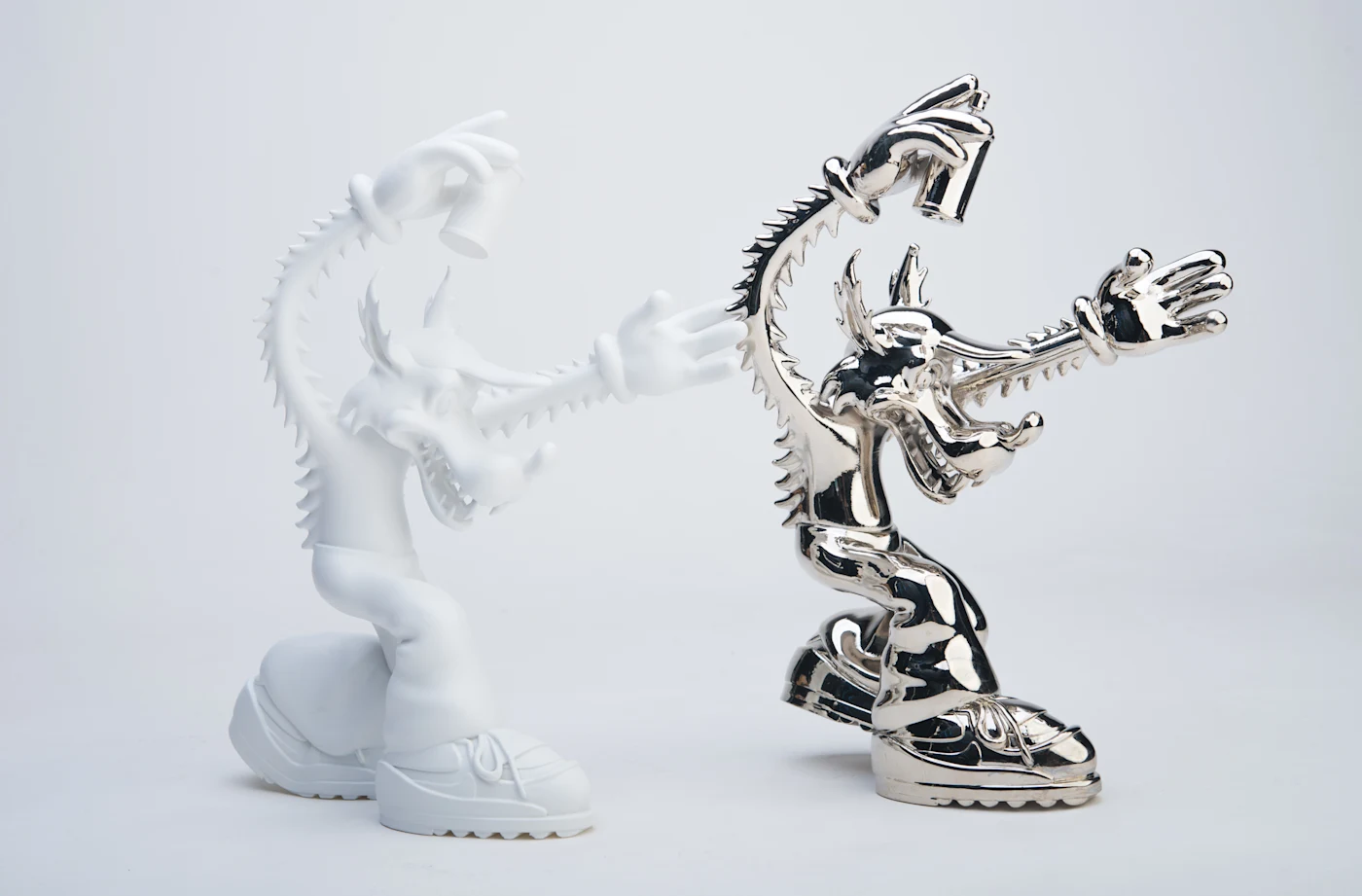
How does a Philadelphia project move from file review to a finished part?
PrintAWorld turns a ready 3D file or an early sketch into a finished part delivered to Philadelphia. The service can include remote file review, 3D modeling support, industrial printing, cleaning, polishing, painting, assembly, and specialty finishing. Your approved quote confirms the delivery address and schedule. This page does not represent a Philadelphia walk-in shop or same-day pickup location.
This service is for projects that need process guidance, presentation finishing, larger fabrication, or repeatable production management. A local lab or makerspace may be better for a student exercise or emergency desktop print. PrintAWorld is a stronger fit for refined prototypes, custom fixtures, complex models, short runs, and objects that need coordinated finishing.
What proof do Philadelphia labs and factories need?
Select Greater Philadelphia reports more than 1,200 life-sciences establishments, 88,000 workers, 15 major health systems, and $5.9 billion in NIH funding from 2019 through 2023. Its summary of the 2025 Colliers report ranks the region fourth among U.S. life-sciences markets. Those figures explain why lab fixtures, equipment housings, ergonomic studies, research models, and presentation prototypes are especially relevant here.
The region also has a substantial production base. Select Greater Philadelphia cites 190,000 manufacturing workers using 2024 Bureau of Labor Statistics data. For manufacturers, additive work is often most valuable before or beside conventional production: fixture development, maintenance models, custom guards, assembly aids, inspection nests, low-volume components, and geometry that would be expensive to tool.
Which applications can Philadelphia organizations review?
A useful brief states what the object must demonstrate and what happens if it fails.
- 01
Can a project include lab fixtures and research equipment?
Create tube racks, alignment aids, sensor mounts, instrument housings, positioning tools, and non-clinical test fixtures. Identify cleaning agents, heat, sample contact, dimensional requirements, and whether the item stays outside the experimental workflow.
- 02
Can a project include medical and ergonomic prototypes?
Evaluate form, controls, grip, fit, assembly, and presentation before tooling. Clearly distinguish a visual or ergonomic prototype from a patient-contact, sterile, implantable, diagnostic, or regulated device.
- 03
Can a project include manufacturing jigs and assembly aids?
Produce drill guides, inspection nests, locating fixtures, soft jaws, protective covers, and custom hand tools. Provide cycle count, loads, contact surfaces, chemicals, and acceptable wear.
- 04
Can a project include replacement-part models and reverse-engineering inputs?
Recreate obsolete or unavailable geometry from drawings, measurements, scanning, or a reference part. The printed result still needs application-specific material and tolerance review.
- 05
Can a project include architecture and development models?
Turn design files into massing studies, detailed presentation models, site components, and removable assemblies. Define scale, audience, transport, lighting, and the detail that must remain readable.
- 06
Can a project include museum, exhibit, agency, and event pieces?
Fabricate replicas, dimensional graphics, props, interpretive objects, and campaign displays. Share handling, installation, viewing distance, fire requirements, color references, and expected service life.
How is the process matched to a Philadelphia project?
The final recommendation depends on the geometry, risk, environment, quantity, finish, and validation plan.
| Project objective | Likely starting point | Questions to answer |
|---|---|---|
| Fast enclosure or fixture iteration | FDM thermoplastic | Load, layer direction, heat, chemicals, tolerance, and acceptable texture |
| Fine-detail presentation or ergonomic model | SLA resin | Handling, brittleness, UV, paint, cleaning, and service duration |
| Complex durable polymer part | SLS nylon | Clearance, moisture, fatigue, wear, surface texture, and testing |
| Anatomical or medical presentation model | High-detail polymer process plus finish | Data rights, intended audience, color, handling, and explicit non-clinical or clinical status |
| Large exhibit or architectural object | Sectioned printing, assembly, and finishing | Seams, structure, crate size, doors, elevators, installation, and repairs |
| Regulated or patient-contact application | Requirements review before quoting production | Biocompatibility, sterilization, traceability, inspection, regulatory role, and approving authority |
Which boundaries apply to medical and research projects?
A model used in a design review is not the same as a component used on a patient, in a sterile field, or in contact with a biological sample. PrintAWorld does not imply that a standard printed material is biocompatible, sterile, implantable, diagnostic, or approved for a regulated device simply because it can reproduce the geometry.
For life-sciences work, identify the object's role, contact type and duration, cleaning or sterilization method, chemical exposure, traceability needs, dimensional inspection, confidentiality requirements, and who is responsible for design approval. When the application is visual or non-clinical, say so directly; that often simplifies process selection.
How are detail, handling, and finish selected?
These PrintAWorld examples are production references, not claims of clinical approval or Philadelphia origin.
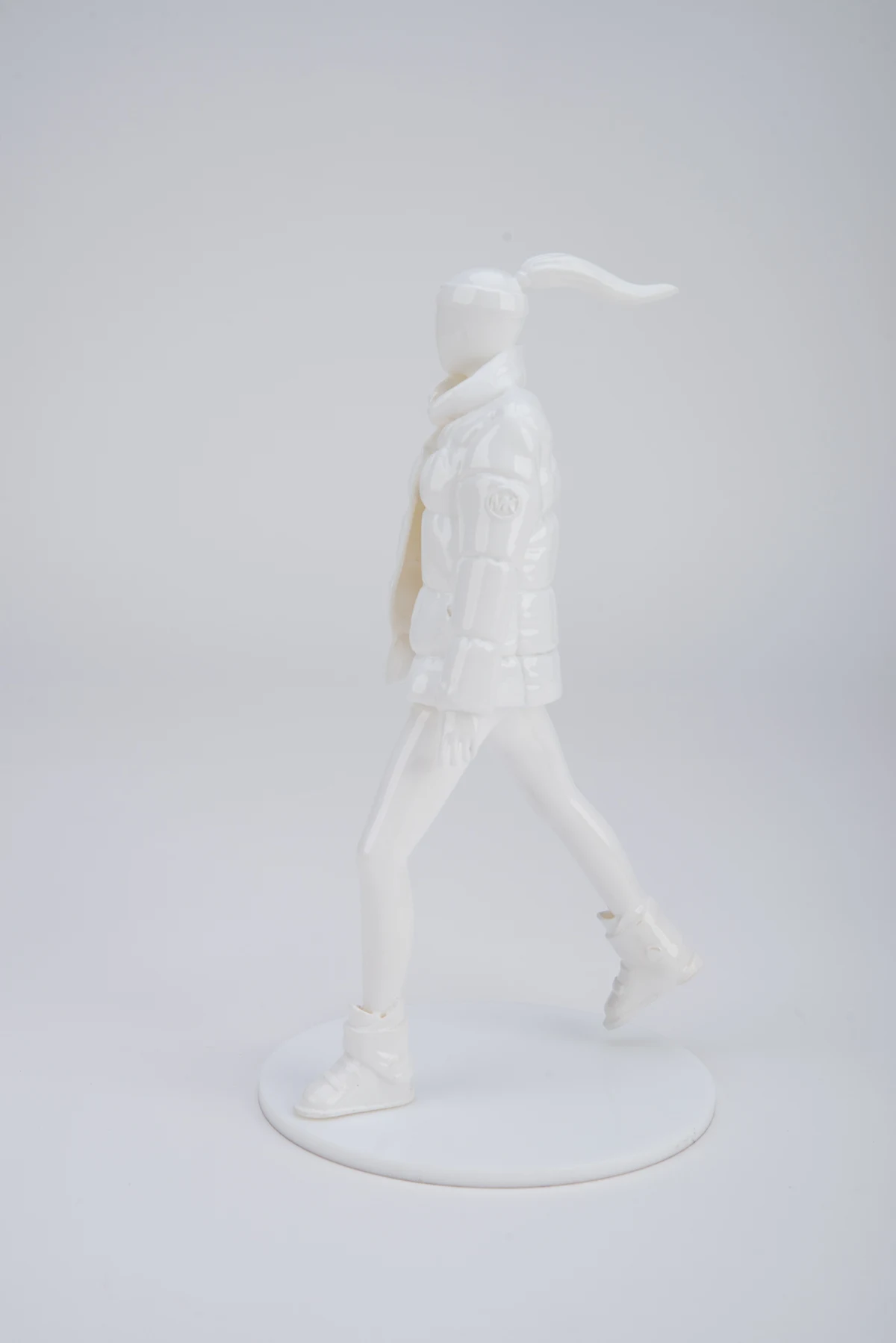
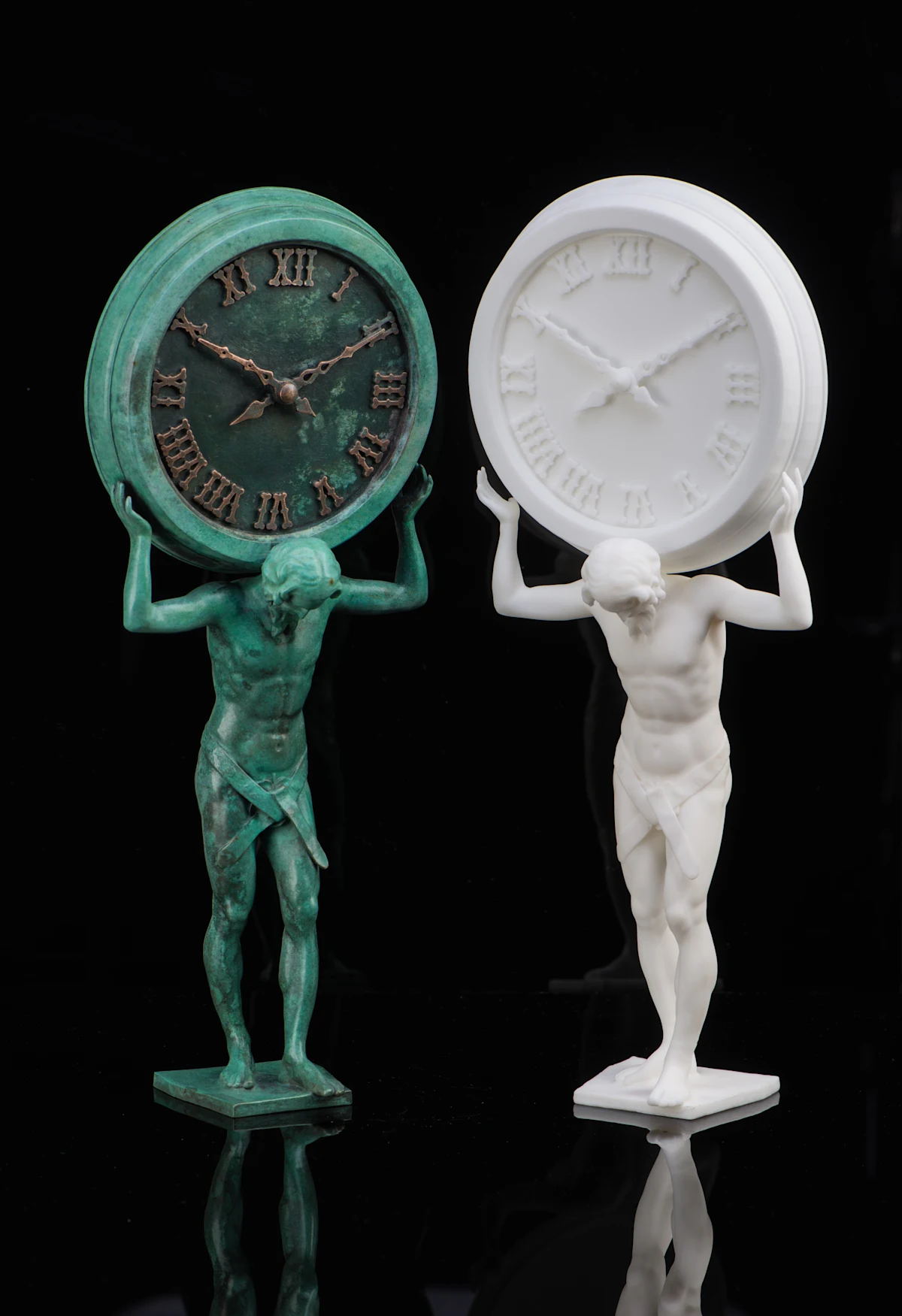
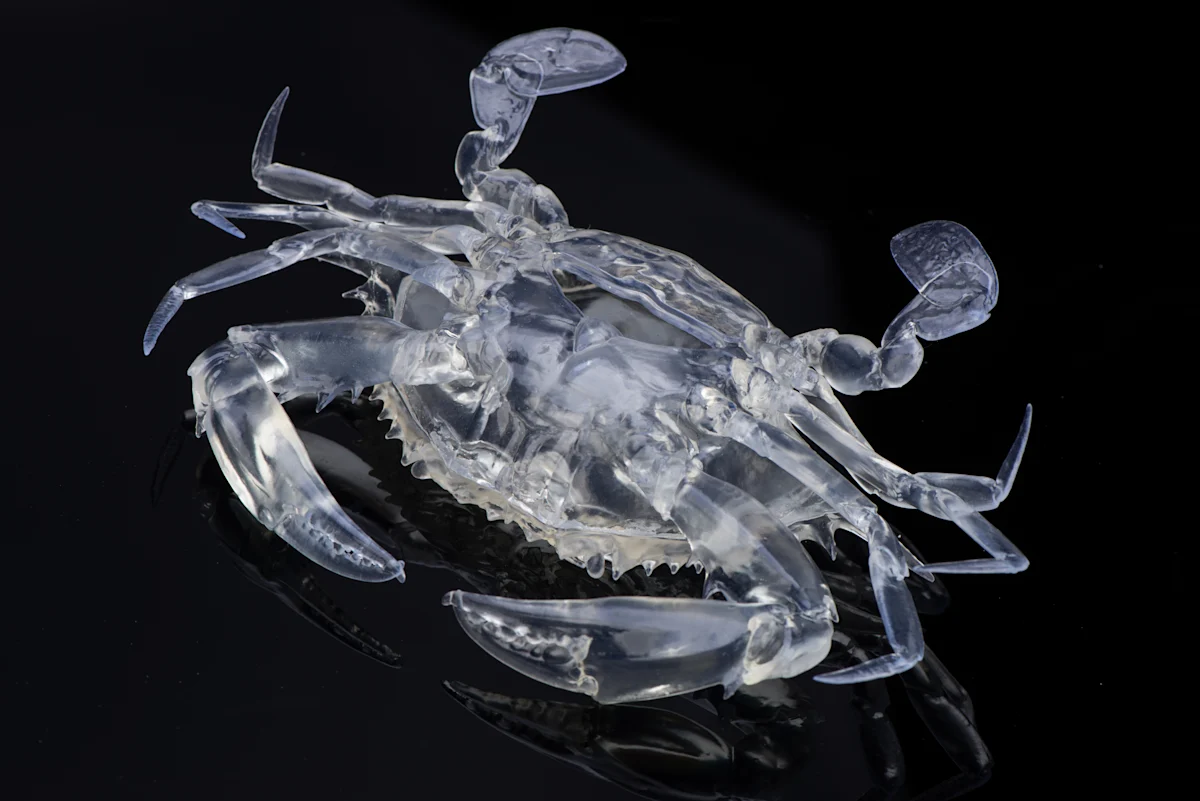
What makes a Philadelphia quote package actionable?
Send the 3D file, overall dimensions, quantity, intended use, preferred material, finish, critical tolerances, and the date the project must arrive in Philadelphia. STL and OBJ are common mesh formats; STEP, STP, and 3DM are often better when surfaces, dimensions, or design edits require review.
If no model exists, include sketches, photographs, reference parts, measurements, and the decisions the prototype must support. For confidential work, flag the requirement before transmitting sensitive files. For assemblies, identify mating parts, hardware, moving clearance, and interfaces controlled by another supplier.
- Classify the object as visual, ergonomic, fit-check, tooling, research, or end-use.
- Identify patient, sample, food, skin, chemical, heat, UV, water, and load exposure.
- Mark only the dimensions and surfaces that are genuinely critical.
- Provide color, gloss, texture, and viewing-distance requirements for presentation work.
- Give the Philadelphia in-hand date so production and carrier transit can be planned separately.
Which local evidence and service sources support this page?
The regional organizations below provide market context and do not endorse PrintAWorld. All materials, claims, production schedules, and compliance requirements must be confirmed for the individual project.
What do customers ask about Philadelphia 3D printing?
Does PrintAWorld have a Philadelphia storefront?
No. Philadelphia projects are reviewed remotely, produced through PrintAWorld's fabrication operation, and shipped to the delivery address approved in the quote. This page does not promise walk-in service or same-day pickup.
Can you print a medical-device prototype for a Philadelphia team?
PrintAWorld can evaluate visual, ergonomic, fit-check, presentation, and other prototypes. Patient-contact, sterile, diagnostic, implantable, or regulated uses require explicit material, process, traceability, testing, and approval requirements; standard printing does not create medical certification.
Can you make custom lab fixtures or equipment housings?
Yes, depending on the environment and accuracy required. Provide the mating equipment, loads, cleaning agents, temperature, sample-contact status, critical dimensions, and expected cycle count.
How long does production and delivery to Philadelphia take?
Production timing depends on file preparation, geometry, size, quantity, material, finishing, assembly, approval stages, and carrier transit. Provide the required Philadelphia arrival date; the written quote confirms the production and delivery schedule.
Is 3D printing suitable for a manufacturing run?
It can be suitable for customized, complex, or lower-volume parts and for tooling or fixtures used alongside production. Stable higher-volume parts should be compared with molding, machining, casting, or another conventional process.
Which related fabrication services support Philadelphia projects?
How will your Philadelphia project be used?
Send the file or sketch, intended use, dimensions, quantity, environment, finish, and the date the completed part must arrive in Philadelphia.